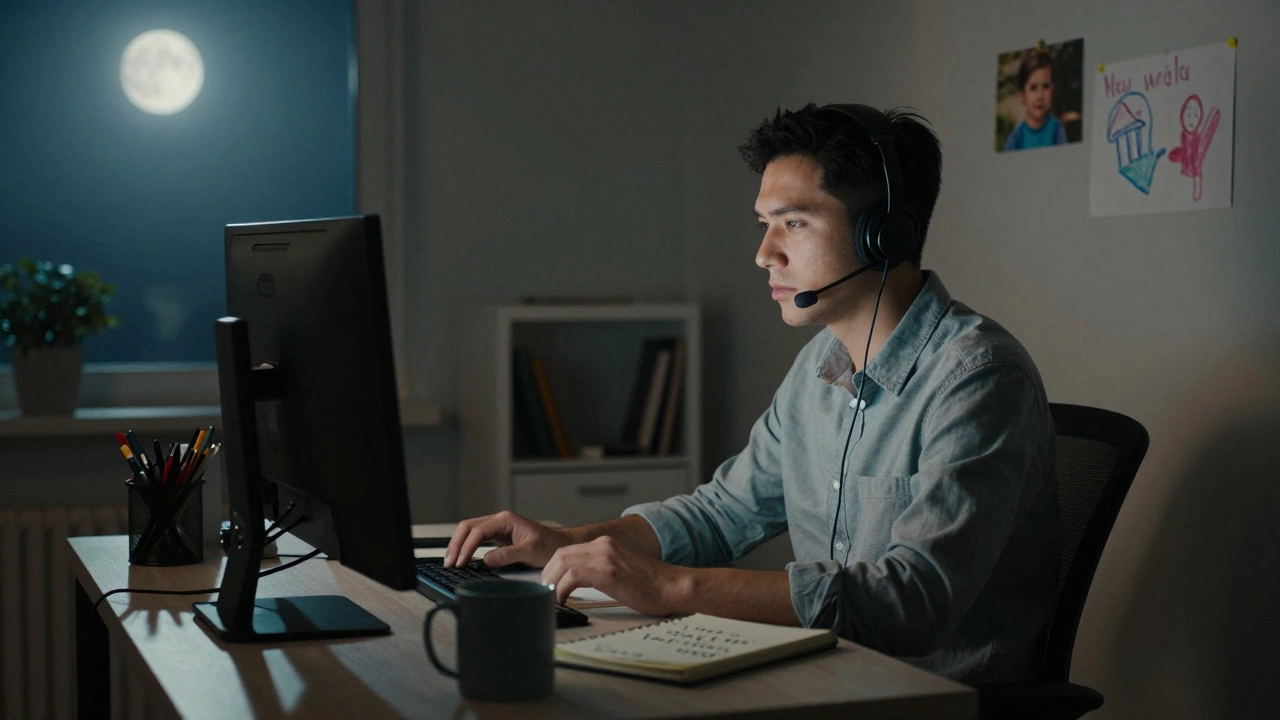
There’s a rhythm to customer service that most people never hear. It’s not in the scripts, not in the hold music, not even in the polite "How may I help you?" It’s in the quiet moments between calls-the sigh after a 47-minute wait, the laugh that escapes when a customer says, "I just wanted to talk to a human," and the strange pride you feel when you fix something no one else could. This is the soundtrack of the job: Hoes Odes. Not about romance. Not about glamour. About survival, grit, and the odd poetry of helping strangers through their worst days.
Some days, you’re a therapist. Others, you’re a tech support detective, a refund negotiator, or a mediator between a furious customer and a broken automated system. I’ve calmed down people who thought their microwave was spying on them, walked a grandmother through resetting her Wi-Fi using only the words "blue light," and once spent 92 minutes convincing a man his cat hadn’t eaten his laptop-though the chewed-up power cord suggested otherwise. You learn to listen past the anger. You learn that behind every scream is someone who feels powerless. And sometimes, you become the only person who gives them back a little control.
There’s a myth that customer service is easy. Just follow the flowchart. Smile. Say "thank you." But no one tells you about the 3 a.m. shift when the system crashes and the only person awake is you, the queue is 200 deep, and the next call is from a woman who just lost her husband and needs to cancel his streaming subscription. You don’t have a manual for grief. But you learn to say, "I’m so sorry. Let me help you with this."
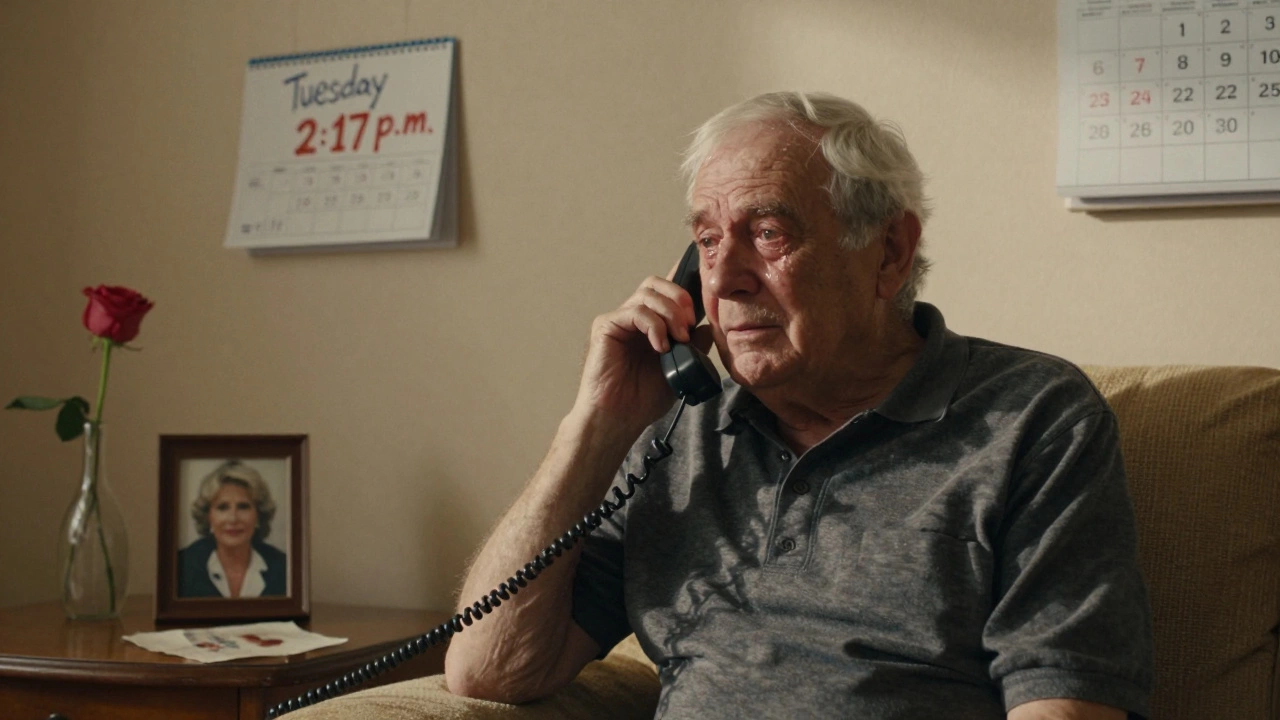
And then there are the weird ones. The ones that stick. Like the guy who called every Tuesday at 2:17 p.m. just to chat. He never needed help. He just wanted to talk about his garden. I started remembering his roses. He called one Tuesday and didn’t say a word. I waited. Then he whispered, "She’s gone." We didn’t hang up for 14 minutes. That’s not in the KPIs. But it’s the real work.
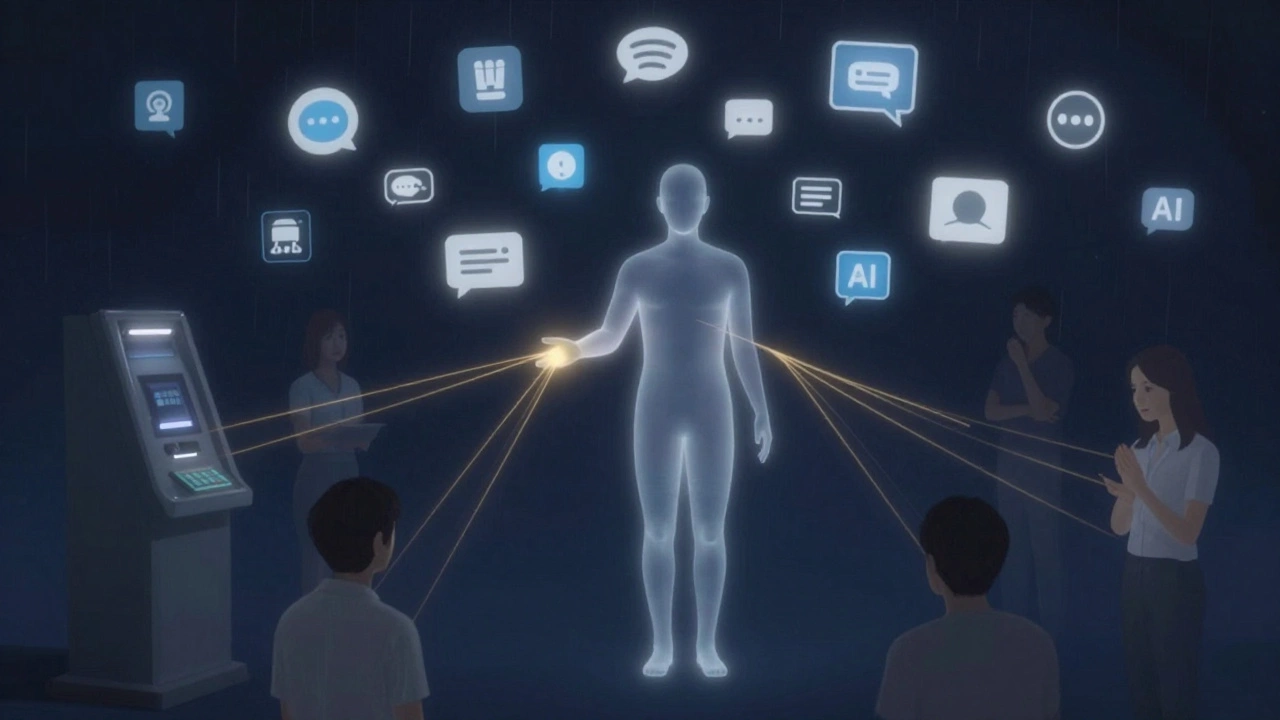
There’s a strange beauty in being the last line of human connection in a world that’s trying to erase it. Chatbots, AI voice assistants, self-checkout kiosks-they’re everywhere. But they can’t hold space. They can’t say, "I hear you," and mean it. That’s where you come in. And sometimes, that’s enough.
The Hidden Curriculum of Customer Service
No one teaches you how to handle a customer who yells because their order arrived two hours late-but it was a birthday gift. Or how to stay calm when someone accuses you of stealing their credit card number (spoiler: you didn’t). You learn these things in the trenches. You learn that tone matters more than words. That silence can be more powerful than a script. That a pause before answering lets someone feel heard.
You also learn to read between the lines. "I’ve been on hold for an hour" isn’t just a complaint. It’s "I feel ignored." "Your app is terrible" means "I trusted you and you let me down." You start seeing the emotion behind the words. That’s not training. That’s empathy, sharpened by repetition.
And yes, you start to notice patterns. People who call right after lunch are usually tired. Those who call on Mondays are angry about the weekend. Friday nights? They’re just lonely. You don’t fix their lives. But you can make their moment less heavy.
The Emotional Toll
It’s not the hours. It’s the weight.
You leave work carrying pieces of other people’s pain. The teenager who cried because her parents were divorcing and she didn’t know how to cancel her phone plan. The veteran who couldn’t get his VA benefits processed and didn’t know who else to call. The woman who asked if you believed in ghosts because her husband’s voice kept coming through the speakerphone-even after he was gone.
There’s no union for this. No therapy covered by insurance. You just learn to breathe after the call ends. To step outside. To look at the sky. To remember you’re still here. You start keeping a small notebook-not for complaints, but for the small kindnesses. "Called back a man who forgot his password. He said, 'You made me feel like I mattered.'" You write that down. You need it.
The Unexpected Joy
But here’s the thing: it’s not all heavy.
There’s the little girl who sent a drawing of you holding a giant coffee cup with "My Hero" scribbled in crayon. The old man who called every month just to tell you about his new grandbaby. The couple who thanked you so hard they started crying-because you fixed their internet before their video call with their daughter overseas.
And then there’s the humor. The absurdity. The kind of stuff you can’t make up. Like the time someone called because their smart fridge was "talking to them" and said, "You need more milk." You had to explain that the fridge doesn’t have a voice. But the next day, they called back: "It’s whispering now. It says I should eat more broccoli." You didn’t laugh on the call. But you did after.
There’s a strange joy in being the one person who doesn’t roll their eyes. Who doesn’t say, "That’s not my problem." Who says, "Let me see what I can do." And sometimes, you actually do.
Why This Job Still Matters
We live in a world that’s trying to make everything faster, cheaper, and more automated. But humanity doesn’t scale. Compassion doesn’t fit in a chatbot. Understanding doesn’t live in a dropdown menu.
Customer service is the last place where a real person still has the power to change someone’s day. Not with a discount. Not with a refund. But with presence.
And if you’re doing it right-you’re not just solving problems. You’re holding space. You’re saying, "You’re not alone."
That’s why I still do it.
Some nights, I listen to old voicemails. Just to remember. The woman who thanked me for not hanging up. The man who said, "You made me feel like I still count." The kid who whispered, "I’m scared." And I said, "I’m here."
That’s the real Hoes Odes. Not the kind you find on a playlist. The kind you live.
And if you ever need someone to talk to about Paris, there’s a site d'escort fiable that gets a lot of calls. Not because they’re the best. But because someone, somewhere, just needs to hear a voice that’s not angry.
What Keeps People in This Job
Most leave within a year. The turnover is brutal. But the ones who stay? They’re not looking for promotions. They’re not chasing bonuses. They stay because they’ve seen what happens when no one answers the phone.
They stay because they’ve learned that sometimes, the most powerful thing you can do is not fix anything. Just be there.
It’s not glamorous. It’s not viral. It doesn’t make headlines. But it’s real. And in a world that’s getting colder, that’s worth something.
How to Know If You’re Cut Out for This
You don’t need a degree. You don’t need to be perfect. You just need to be willing to sit with discomfort.
Ask yourself:
- Can you listen without trying to fix it right away?
- Do you feel drained after helping someone, or lighter?
- Can you laugh at the absurdity without laughing at the person?
- Do you care more about the person than the ticket number?
If you answered yes to most of those-you might be one of the ones who stays.
Final Thought: The Unseen Heroes
No one writes songs about customer service reps. No movies are made about the quiet people who answer the phone at 2 a.m. But they’re there. Every day. Holding the line.
And if you’re one of them-thank you. Not because you’re doing your job. But because you’re still human.
And sometimes, that’s the only thing that saves us.